
Yimou Huang United Kingdom


Yimou Huang’s practice-based PhD from Dundee University explores the divergent influences of Chinese Taoism and Western Eco-Feminist thought on contemporary global art. It centers on the material aspects of dynamic forces, such as gravity, wind, and erosion. Yimou is particularly interested in transformational processes and their relation to traditional Chinese views on matter (stone, clay, wood)
The work "How to Measure Nature" is a comparative study of the artist, which is also an art practice, based on Taoist philosophy and Western ecofeminists, aiming to explore the deep connection between humans and nature. Through sculpture, ceramics, and installation art, the work presents the Taoist concept of "emptiness" and the transformation of energy in nature. The work uses natural materials such as clay, plants, and stones to illustrate the invisible yet ever-present forces and changes in the natural world. The concept of "emptiness" emphasized in the work is not a void but a source from which all things are generated. By combining different natural environments and materials, the artist captures how natural forces interact with matter, documenting the traces and impacts of these forces. Huang particularly conducted experiments in natural locations like Loch Lomond in Scotland, placing ceramic cubes in water, soil, and wind, exploring how these forces shape the forms of matter.
In addition to the profound influence of Taoist philosophy, the work also integrates Western ecological thought, particularly ecofeminism, adding multiple layers of perspective to the work. Western ecofeminism focuses on the equal relationship between humans and nature, rejecting anthropocentrism and emphasizing that humans should be part of the natural world, interconnected with other species and ecosystems. This idea resonates with the Taoist concept of "unity of heaven and humans," forming a philosophical foundation for Huang's work. In the artwork, the influence of ecofeminism is reflected in the attention to "non-human" life forms, especially plants and fungi, which play essential roles in ecosystems. By using mycelium and plants, Huang reveals the invisible but powerful life networks in nature. Ecofeminism holds that women have a special connection to nature and are often marginalized by society and culture, just as plants and microorganisms in the natural world are often overlooked. The work reassigns new identities to these marginalized life forms, echoing ecofeminism's call for equality of all forms of life.
By combining Taoist philosophy and Western ecofeminism, Yimou Huang deeply reflects on the relationship between humans and nature and seeks to showcase the coexistence and cycles of various life forms within ecosystems through his art. This project not only focuses on the transformation of materials themselves but also emphasizes the natural interventions in the artistic process, encouraging the audience to reevaluate the human position within nature with a perspective of equality and respect
Artwork
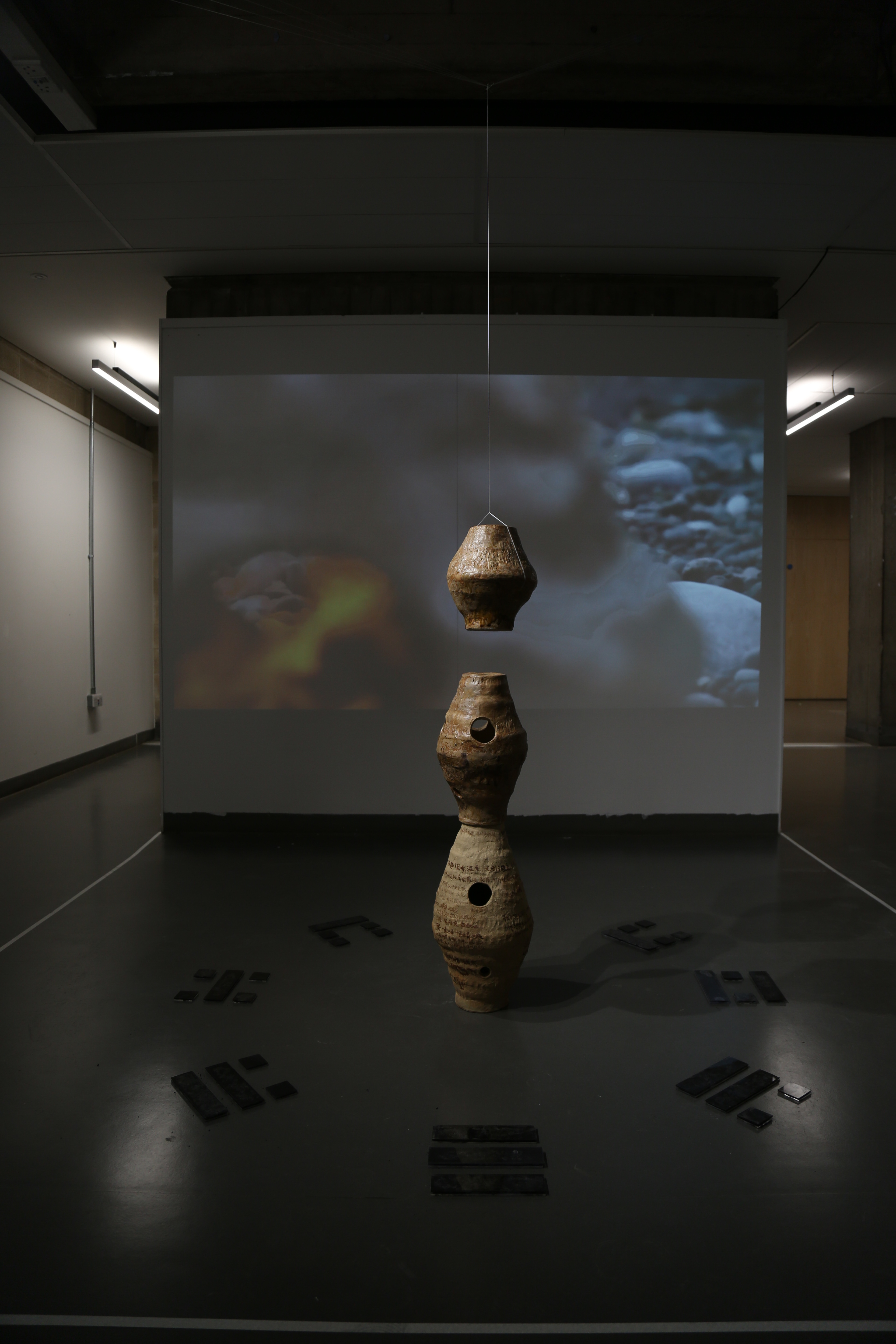
Whispers of Ashes, Wild Ceramic, Ash glaze, 2025, 1200
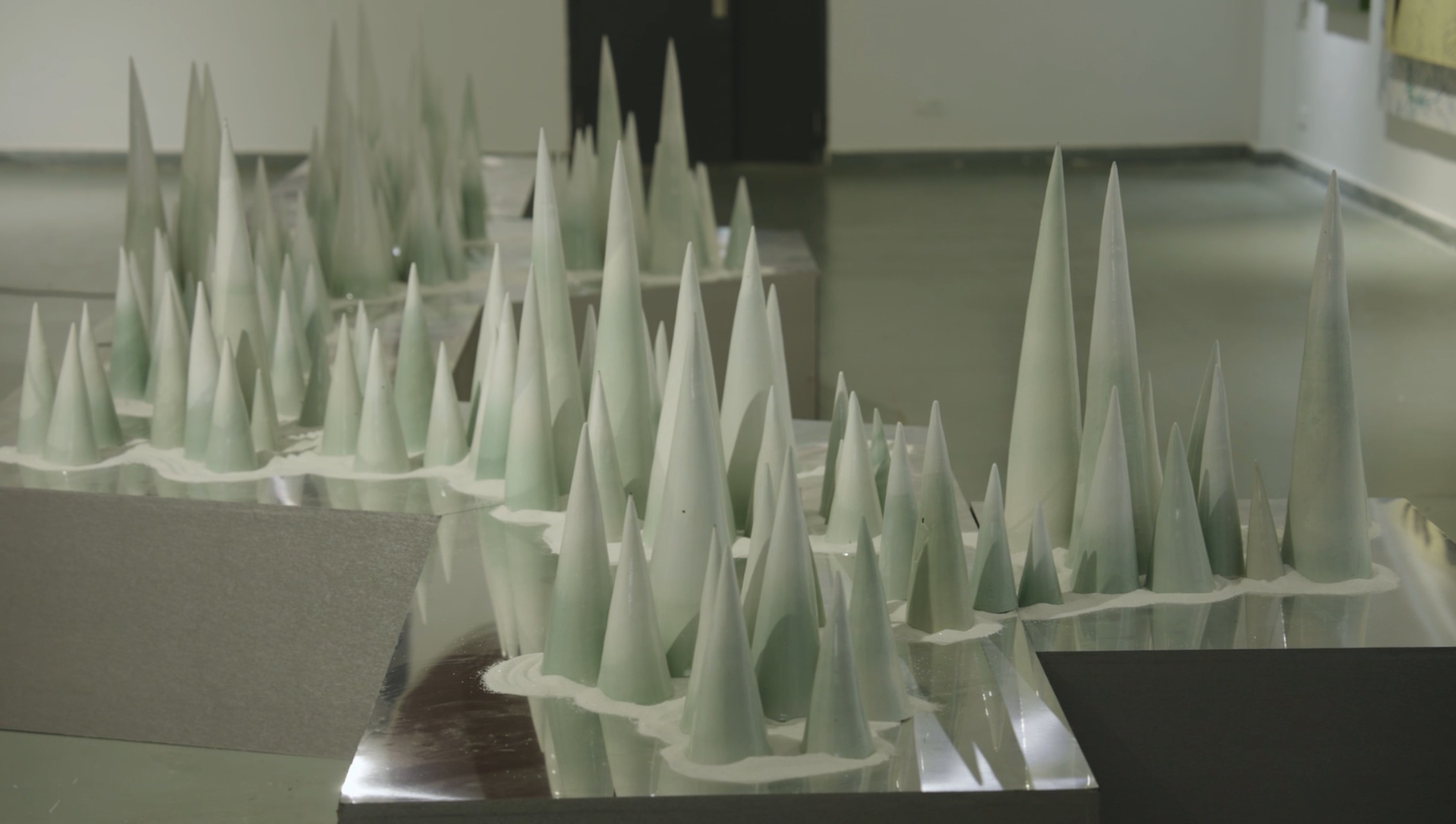
Where the Bell Sounds, Ceramic, Dynamic device, 2023, 3000
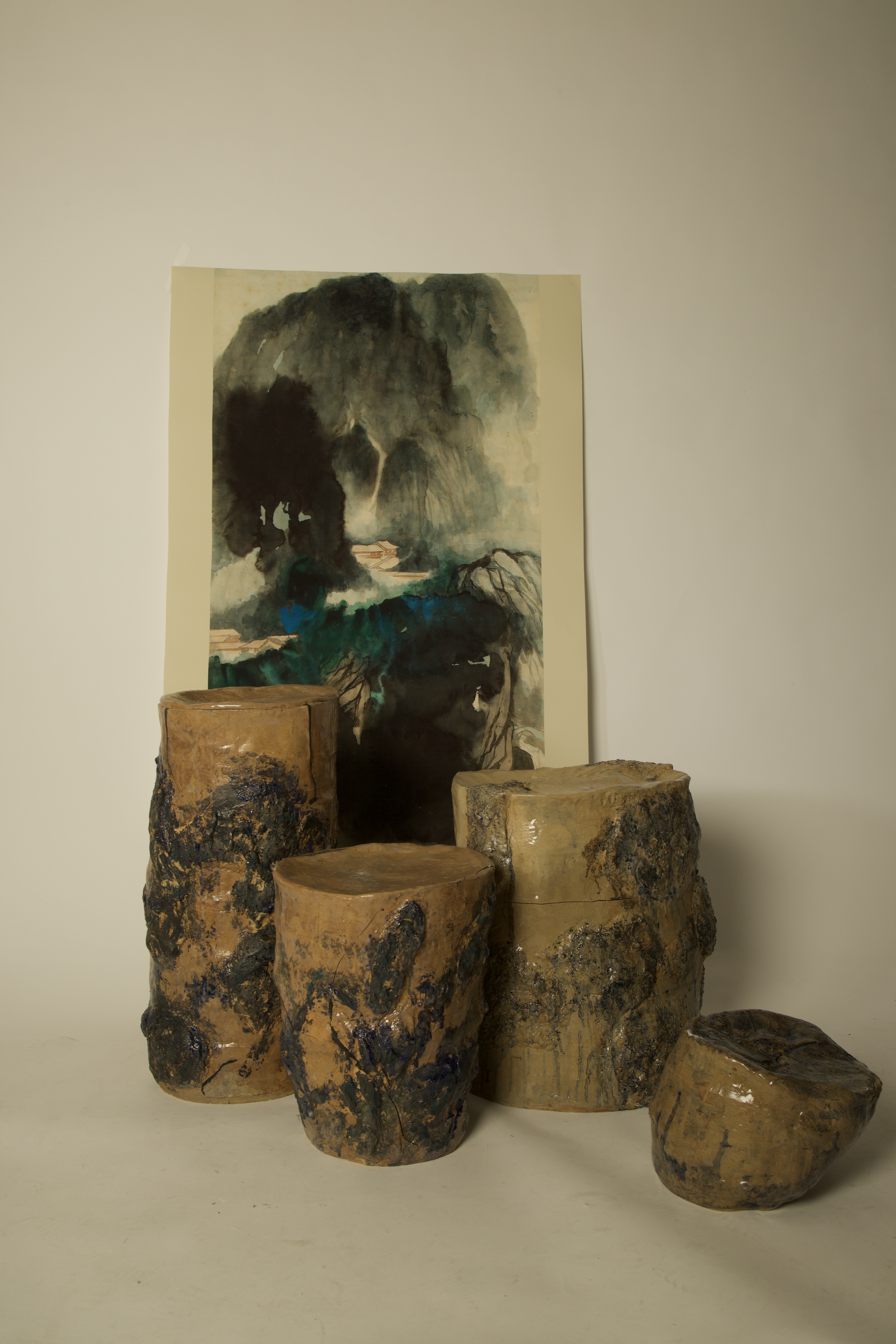
Sediments, Ceramic, 2026, 1300
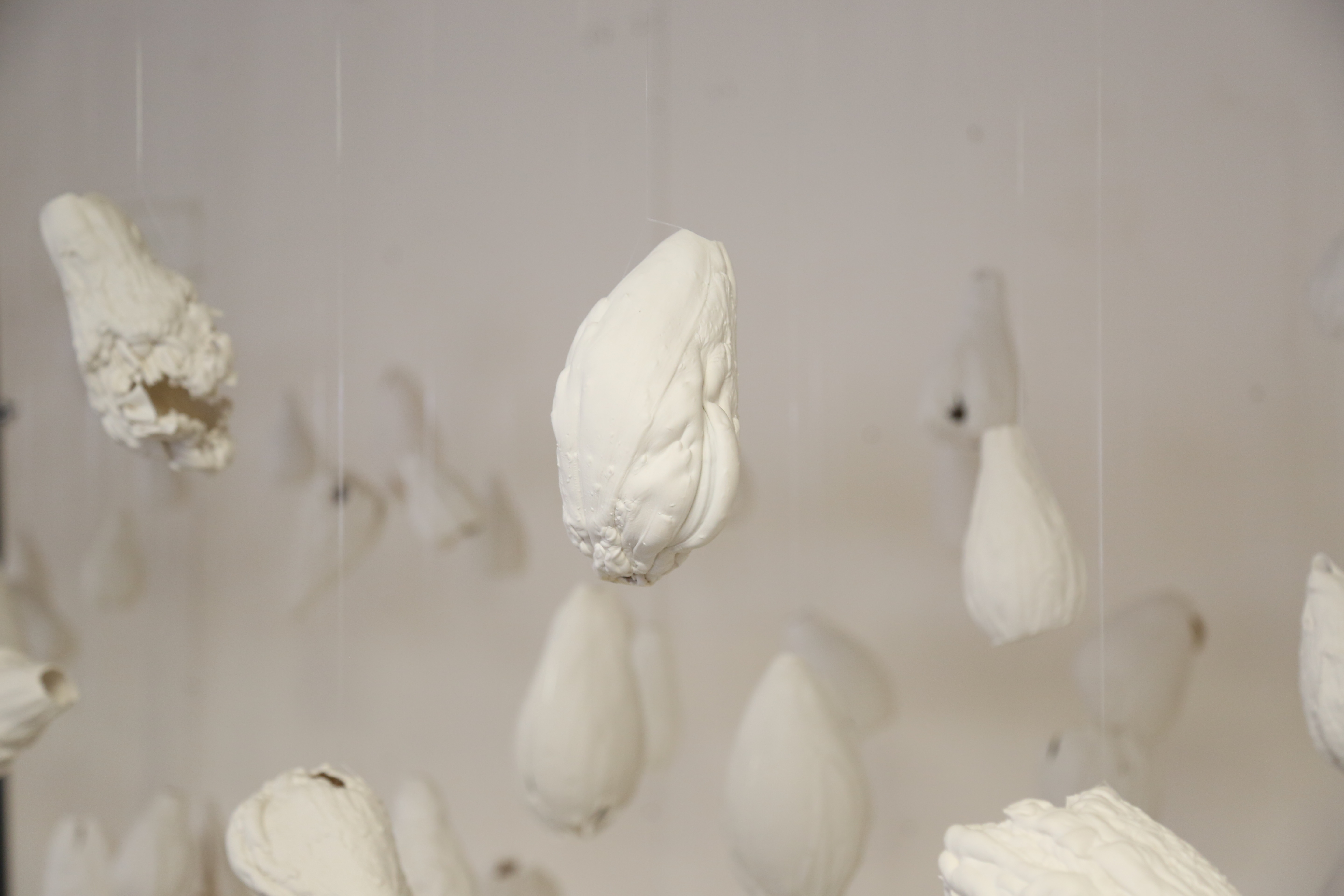
Wandering Air, Ceramic, 2025, 2300
Projects and exhibitions
| Details | ||
|---|---|---|
British Ceramic Biennale-Fresh06/09/2025 — 19/10/2025 NULL |
Stoke-on-trent | Details |